

Generation Z is changing the way people think about success, lifestyle, and personal happiness. Unlike older generations that often focused heavily on traditional careers, busy city life, and long-term corporate routines, many Gen Z adults are now searching for balance, flexibility, and a healthier way of living. This shift has created growing interest in what many people call the country life” lifestyle a slower, calmer, and more affordable way of living compared to fast-paced urban environments.
For many young adults, modern success is no longer only connected to luxury apartments, crowded cities, or stressful office schedules. Instead, Gen Z is becoming more interested in peaceful surroundings, flexible work opportunities, affordable living, mental well-being, and stronger work-life balance. Social media, remote work, and rising living costs have all influenced how younger generations think about where and how they want to live.
What Does Country Life Mean for Gen Z Today?

For Gen Z, country life does not always mean living on farms or moving far away from technology. In many cases, it represents a lifestyle focused on balance, comfort, flexibility, and mental peace. Younger adults are increasingly drawn toward environments that feel less stressful and more supportive of personal well-being.
Country life for Gen Z often includes slower routines, remote work flexibility, outdoor living, and lower living expenses compared to expensive urban areas. Many young adults are also becoming more interested in creating healthier daily habits, spending more time in nature, and reducing the pressure that often comes with crowded city lifestyles.
Why Many Gen Z Adults Are Moving Away from Traditional City Life
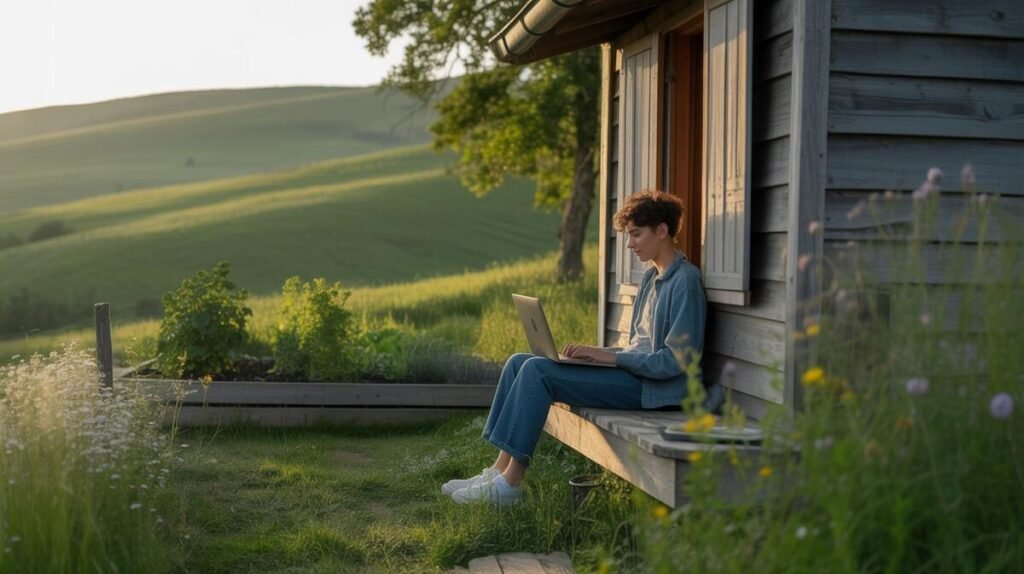
One of the biggest reasons many Gen Z adults are reconsidering city life is the rising cost of living. Expensive rent, transportation costs, and financial pressure can make large cities feel overwhelming for younger people trying to build stable careers or independent lifestyles.
Mental health is another major factor influencing these decisions. Many Gen Z individuals openly discuss burnout, stress, anxiety, and social pressure more than previous generations did. Fast-paced environments combined with online comparison culture have pushed many young adults to prioritize calmer and healthier lifestyles.
Social media has played a role as well. Platforms like TikTok, Instagram, and YouTube regularly showcase slower lifestyles, cozy homes, digital nomad routines, and peaceful living environments. These trends continue influencing how younger generations imagine their future lifestyles.
Best Countries Gen Z Finds Attractive for Living
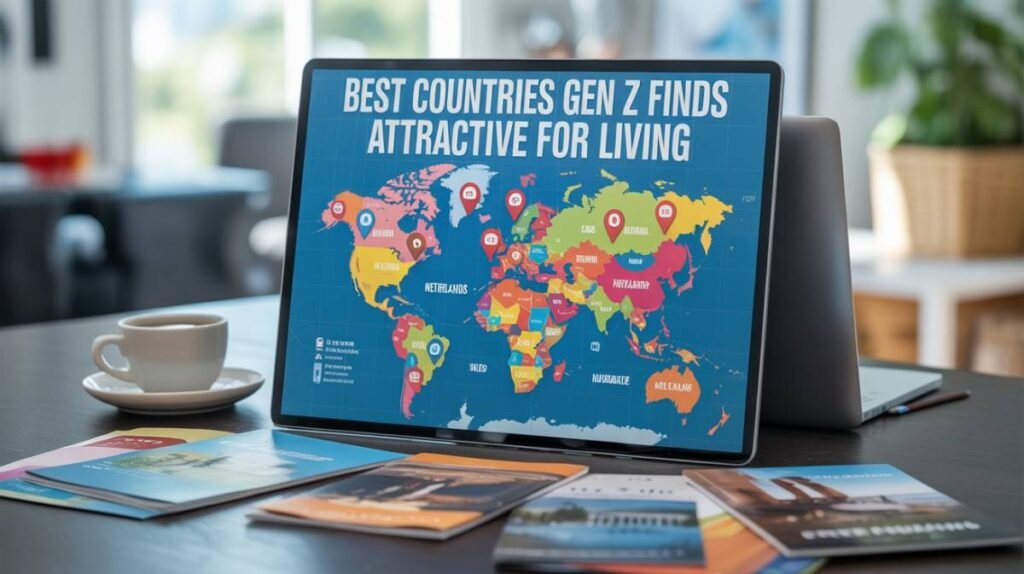
Different countries attract Gen Z for different reasons, including affordability, career opportunities, healthcare, safety, and quality of life.
Portugal
Portugal has become popular among younger adults because of its relaxed atmosphere, warm climate, and growing digital nomad community. Many Gen Z travelers and remote workers appreciate the balance between modern city life and peaceful coastal living.
Canada
Canada attracts many young adults because of its multicultural environment, education opportunities, and focus on quality of life. Many Gen Z individuals also view Canada as a place with strong healthcare systems and safer communities.
Netherlands
The Netherlands is often praised for work-life balance, cycling culture, and modern urban planning. Younger adults interested in sustainable lifestyles and flexible living environments often find the country appealing.
Australia
Australia continues to attract younger generations because of its outdoor lifestyle, beaches, and relaxed social culture. Many Gen Z adults are drawn to the balance between career opportunities and recreational living.
Japan
Japan attracts Gen Z for very different reasons, including technology, culture, creativity, fashion, and modern city experiences. While Japan is known for busy urban environments, many young adults are also becoming interested in quieter regional areas and countryside experiences within the country.
What Is Gen Z’s Biggest Issue Today?
Although Gen Z is often described as highly connected and digitally advanced, many young adults face serious challenges that affect daily life and future planning.
Financial pressure remains one of the biggest concerns. Rising housing costs, inflation, unstable job markets, and student debt have made financial independence more difficult for many younger adults around the world.
Mental health is another major issue frequently discussed by Gen Z. Constant online exposure, social comparison, career uncertainty, and pressure to succeed can negatively affect emotional well-being. Many younger adults are now prioritizing mental health support and healthier lifestyle choices more openly than previous generations.
Where Do Most Gen Z Want to Live?
Many Gen Z adults prefer places that offer a combination of affordability, safety, internet access, flexibility, and quality of life. Instead of focusing only on major business cities, younger adults are increasingly interested in locations that support healthier routines and better work-life balance.
Some Gen Z individuals still enjoy busy urban environments filled with entertainment and networking opportunities. However, many others now prefer smaller cities, suburban communities, or peaceful locations where living expenses feel more manageable..
How Social Media Influences Gen Z Lifestyle Choices

Social media continues shaping how Gen Z views success, travel, careers, relationships, and lifestyle goals. Platforms filled with productivity routines, cozy homes, travel experiences, and self-improvement content strongly influence younger audiences.
While social media can inspire creativity and motivation, it can also create unrealistic expectations and comparison pressure. Many Gen Z adults are becoming more aware of this balance and trying to build lifestyles that feel authentic instead of constantly chasing online trends.
This is one reason slower living, wellness culture, and country-style lifestyles continue gaining popularity among younger generations.
Final Thoughts
The idea of success is changing for younger generations around the world. For many Gen Z adults, happiness is no longer only connected to busy careers or expensive city lifestyles. Instead, balance, mental peace, flexibility, affordability, and personal freedom are becoming increasingly important priorities.
Country life and slower living trends reflect a larger shift in how younger adults view the future. Whether through remote work, digital lifestyles, or interest in quieter communities, Gen Z continues redefining what modern living looks like in today’s world.
Frequently Asked Questions
What are the best countries for Gen Z?
Countries like Canada, Portugal, Australia, the Netherlands, and Japan are often considered attractive to Gen Z because of lifestyle quality, career opportunities, safety, and modern living environments.
Are Gen Z adults over 21 now?
Yes, many Gen Z individuals are now in their early twenties and mid-twenties, while younger members of the generation are still teenagers.
What is Gen Z’s biggest issue?
Financial stress, mental health concerns, career uncertainty, and rising living costs are some of the biggest challenges affecting Gen Z today.
Where do most Gen Z want to live?
Many Gen Z adults prefer affordable, flexible, and peaceful places that support better work-life balance and personal well-being.

Sebastian Vane is a digital native and trend strategist obsessed with the intersection of tech and culture. From decoding the latest viral memes to exploring the future of the creator economy, Sebastian provides high-signal insights for a generation that never sleeps. No fluff, just vibes and value