
Many young workers no longer chase careers the same way previous generations once did. High-paying office jobs still matter of course. However something bigger quietly changed during the last few years. Burnout layoffs, rising living costs and nonstop digital culture completely reshaped how Gen Z now views success stability and long-term work life.
At the same time social media remote work and online businesses opened career paths that barely existed before. Suddenly younger workers started valuing freedom, flexibility and personal balance differently than older generations. That shift explains why Gen Z career trends now look dramatically different from traditional workplace expectations.
Why Gen Z Career Choices Feel So Different Today
Career expectations changed rapidly once technology, social media and remote work became part of everyday life. Gen Z grew up online which means they discovered alternative career paths earlier than previous generations ever could. Watching creators, freelancers and startup founders build income independently completely shifted how younger workers now define professional success.
Economic uncertainty also played a major role. Many Gen Z workers watched industries struggle during inflation layoffs and global instability while older generations faced burnout after years inside demanding office environments. That reality pushed younger workers toward careers offering adaptability, skill growth and stronger work-life balance instead of chasing job titles alone.
Technology Changed Career Expectations Completely
Technology opened career paths that barely existed a decade ago. Young workers now see opportunities inside artificial intelligence cybersecurity content creation digital marketing and online business development almost every day through social media and online communities. Those industries feel faster, more flexible and often more financially rewarding compared with traditional corporate career structures.
Many students also realize degrees alone no longer guarantee stable employment automatically. Skills portfolios and online presence now influence hiring decisions heavily across modern industries. That shift explains why Gen Z spends so much time learning digital tools, freelancing skills and personal branding techniques while preparing for future career opportunities online.
Why Work-Life Balance Matters More Than Job Titles
Older generations often measured success through promotions, office status and long-term corporate loyalty. Gen Z approaches work differently because many young professionals value personal time flexibility and mental health far more aggressively. Some workers would rather earn slightly less money if the career allows healthier routines and better emotional balance overall.
Remote work changed expectations permanently too. Once workers experienced flexible schedules and location freedom many stopped viewing daily office commutes as necessary for productivity. That shift explains why hybrid jobs, freelance careers and remote-first companies attract younger workers much faster than rigid workplace environments demanding constant physical office presence every single day.
Most Popular Career Choices Among Gen Z Today
Career interests among Gen Z continue evolving quickly because technology and economic trends change constantly. However certain industries consistently attract younger workers searching for flexibility, strong income growth and future-proof opportunities. Many of these careers combine digital skills, creativity and independence which aligns closely with how Gen Z now views professional success.
The strongest career trends usually connect with industries expected to grow during the next decade. Artificial intelligence healthcare digital media and online business continue attracting huge attention because younger workers see long-term demand inside those fields. Stability matters more today especially as automation and economic uncertainty continue reshaping modern employment patterns globally.
Technology and AI Careers
Artificial intelligence careers exploded in popularity once companies started integrating AI tools into everyday business operations. Roles involving cybersecurity software development, data analysis and prompt engineering now attract huge interest because they offer strong salaries, career growth and future demand. Many Gen Z workers also view tech industries as more flexible compared with traditional corporate environments.
AI careers feel especially attractive because technology now influences almost every industry globally. Even workers outside software engineering increasingly learn AI-related tools to remain competitive professionally. That trend explains why younger workers continue prioritizing digital skills and tech literacy while planning future career paths during uncertain economic conditions.
Creative and Digital Careers
Creative careers once felt financially risky for many people. Social media completely changed that perception. Content creators, video editors, digital marketers and graphic designers now build real businesses online while working independently from almost anywhere. That freedom strongly appeals to Gen Z workers who value creativity, flexibility and personal control over their professional routines.
Platforms like YouTube, TikTok and Instagram also created entirely new income opportunities. Some creators earn through sponsorships, digital products or consulting work instead of relying on traditional employers permanently. That shift explains why many younger workers now see personal branding and online audiences as valuable long-term career assets rather than casual hobbies only.
Healthcare and Wellness Careers
Healthcare careers continue attracting Gen Z because demand remains extremely strong globally. However younger workers increasingly prefer areas connected with mental health wellness and emotional support instead of only traditional hospital careers. Therapy wellness coaching nursing and psychology-related fields now receive growing interest among students entering healthcare industries.
Mental health awareness also changed career priorities significantly. Many Gen Z workers want careers that feel meaningful emotionally instead of purely financially rewarding. Helping people directly through healthcare or wellness careers creates stronger personal fulfillment which explains why these industries continue growing despite stressful work environments sometimes attached to them.
Finance and Business Careers
Finance careers still attract ambitious Gen Z workers especially within fintech investment analysis and entrepreneurship. Younger professionals increasingly prefer modern finance sectors connected with technology innovation and online business growth instead of traditional banking systems that feel slower or more restrictive professionally.
Entrepreneurship also appeals strongly because many Gen Z workers value independence deeply. Starting online stores, freelance businesses or consulting brands feels more achievable today thanks to digital platforms and social media marketing opportunities. Even workers inside regular jobs often build side businesses simultaneously for additional income security and greater financial freedom long term.
Skilled Trades and Alternative Careers
Skilled trades are quietly becoming more respected among younger generations again. Electricians, mechanics, plumbing specialists and construction technology workers now benefit from strong demand, rising wages and lower competition compared with overcrowded white-collar industries struggling with automation or excessive job market saturation recently.
Many Gen Z workers also appreciate the practical stability skilled trades can provide. Some careers remain difficult to automate completely because they require physical expertise, problem solving and hands-on technical ability. That reality makes skilled trades feel surprisingly future-proof compared with certain office-based positions increasingly threatened by artificial intelligence systems.
Side Hustles and Creator Economy
Many Gen Z workers no longer depend entirely on one career path for income security. Side hustles freelancing and creator-based businesses now play massive roles in financial planning. Younger workers often combine regular jobs with online income streams through digital products freelancing affiliate marketing or social media content creation simultaneously.
This mindset developed partly from economic uncertainty and rising living costs globally. Relying on one paycheck alone sometimes feels risky now especially for younger generations facing unstable housing markets inflation and unpredictable employment trends. Multiple income streams create both financial flexibility and stronger emotional security during uncertain economic periods.
What Gen Z Wants From Careers Now
Flexibility remains one of the biggest priorities shaping Gen Z career decisions today. Younger workers increasingly prefer hybrid schedules, remote work and environments allowing personal freedom instead of rigid office structures demanding constant supervision throughout the week. Many believe productivity depends more on outcomes than physical workplace attendance.
Purpose matters deeply too. Gen Z workers often want careers aligned with personal values, social impact or emotional fulfillment instead of chasing salary alone endlessly. That does not mean younger workers ignore financial security completely. Instead many now expect careers to support both stable income and healthier long-term quality of life simultaneously.
Why AI Is Changing Career Decisions
Artificial intelligence created excitement and anxiety at the same time for younger workers entering modern job markets. Some careers now feel vulnerable because automation continues replacing repetitive tasks across industries rapidly. That fear pushed many Gen Z workers toward careers emphasizing creativity, emotional intelligence, adaptability and technical problem-solving skills difficult for AI systems to fully replace.
AI also created entirely new career opportunities unexpectedly. Prompt engineering AI consulting automation management and digital workflow optimization barely existed several years ago. Younger workers understand industries will continue evolving rapidly which explains why adaptability, learning speed and technology literacy now matter more than traditional career stability models followed historically.
Career Trends That Could Grow Fast by 2030
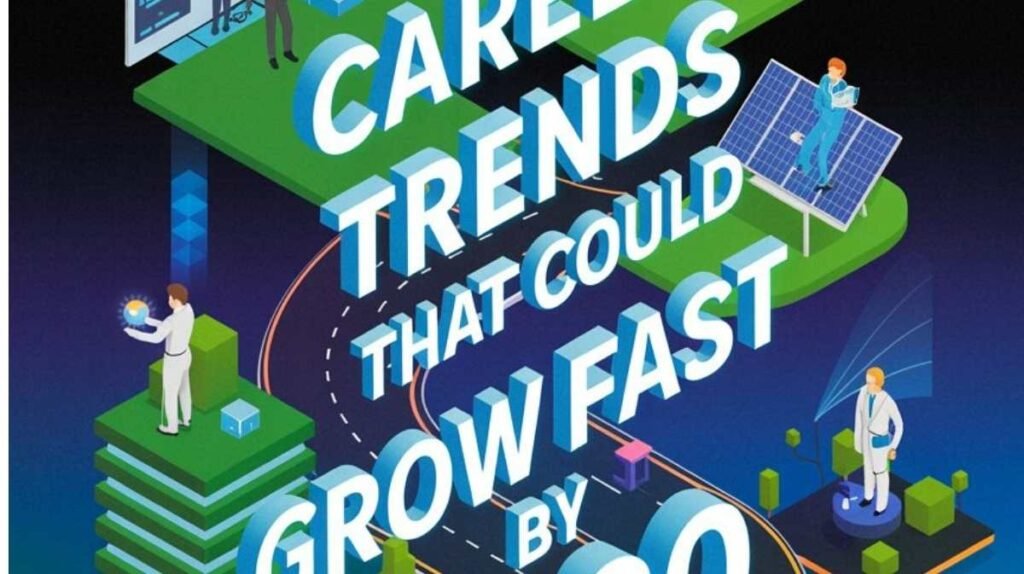
Technology healthcare sustainability and creator-focused industries will likely continue growing aggressively during the next decade. AI-enabled jobs, remote-first businesses and digital entrepreneurship already influence hiring trends globally while demand for emotional intelligence, communication and leadership skills continues increasing alongside automation growth.
Human-centered careers may become even more valuable in the future. As artificial intelligence handles repetitive technical work companies will likely prioritize workers capable of empathy, strategic thinking, collaboration and relationship building. That balance between technology and human connection will shape many future career opportunities for Gen Z professionals entering evolving industries.
Skills Gen Z Should Focus on Building Now
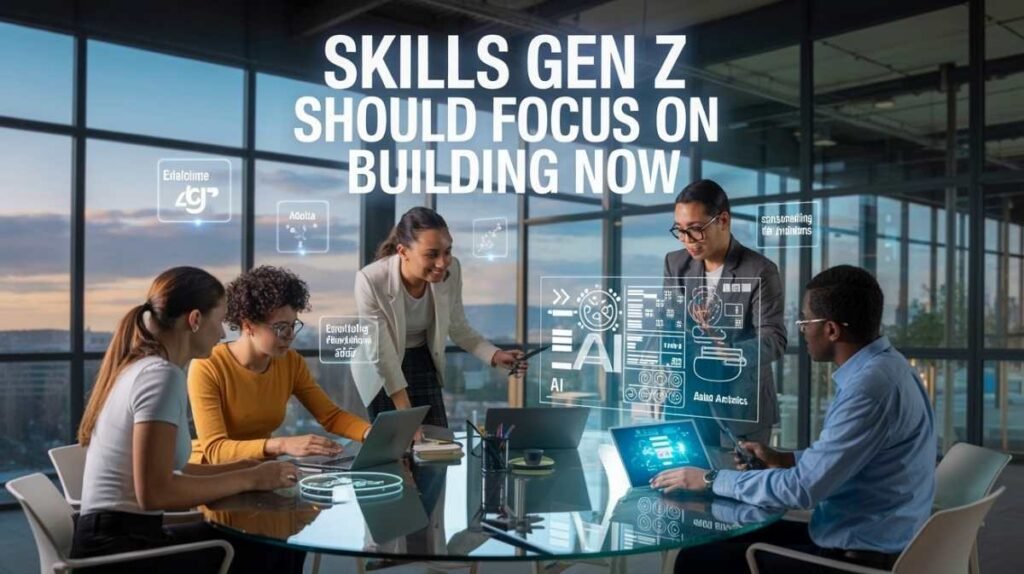
Technical knowledge matters strongly today but soft skills remain equally important long term. Communication adaptability, emotional intelligence and problem solving continue separating strong professionals from workers struggling inside rapidly changing industries. Younger workers who combine digital skills with strong human interaction abilities will likely remain highly competitive professionally.
AI literacy also becomes increasingly valuable across nearly every career sector. Workers do not necessarily need advanced programming skills however understanding automation digital workflows and AI-assisted productivity tools now creates major professional advantages. Learning continuously may become one of the most important survival skills in future job markets shaped by constant technological change.
How to Choose a Future-Proof Career
Future-proof careers usually combine long-term industry demand adaptability and continuous learning opportunities instead of relying on repetitive tasks easily automated by technology. Workers should focus on careers matching both personal strengths and market demand because sustainable motivation matters just as much as salary growth professionally.
Experimenting early also helps reduce career pressure significantly. Internships freelancing online learning and side projects allow younger workers to test industries before making long-term commitments emotionally or financially. Career paths today rarely follow perfectly straight lines anymore especially for Gen Z professionals navigating constantly evolving digital economies worldwide.
Final Thoughts
Gen Z is reshaping modern work culture faster than many industries expected. Flexibility technology, mental health and financial independence now influence career decisions just as strongly as salary or professional titles. Younger workers increasingly want careers supporting both personal freedom and long-term stability instead of repeating traditional workplace patterns causing burnout for previous generations.
The future job market will likely continue changing rapidly as artificial intelligence remote work and digital industries expand further globally. Workers who stay adaptable build modern skills and remain open to learning continuously will probably navigate those changes far more successfully. Gen Z understands that reality clearly which explains why career choices today feel dramatically different from the past.
FAQs
What do Gen Z use instead of traditional careers?
Many Gen Z workers now prefer freelancing creator businesses side hustles remote work and portfolio careers instead of relying completely on traditional long-term corporate jobs for financial stability and professional identity.
What job titles will disappear by 2030?
Repetitive administrative roles, basic data entry positions and some routine customer service jobs may decline significantly because automation and artificial intelligence continue replacing predictable tasks across industries rapidly.
Are Gen Z turning to purpose-driven careers?
Yes, many Gen Z workers increasingly prioritize meaningful work, emotional fulfillment and careers aligned with personal values instead of focusing only on salary or traditional workplace status.

Sebastian Vane is a digital native and trend strategist obsessed with the intersection of tech and culture. From decoding the latest viral memes to exploring the future of the creator economy, Sebastian provides high-signal insights for a generation that never sleeps. No fluff, just vibes and value