
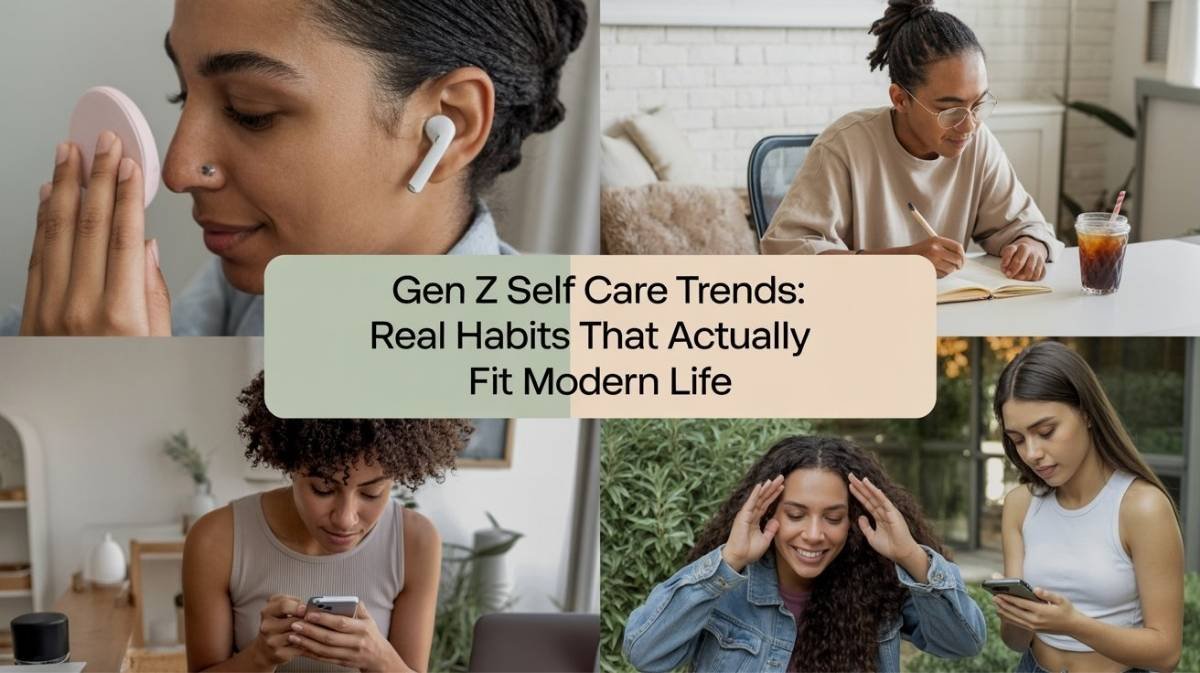
You wake up tired even after sleeping. You scroll, switch apps, try to stay productive, but something still feels off. That constant pressure to keep up quietly drains your energy. This is exactly where Gen Z self care trends start making sense.
Self care is no longer about perfect routines or strict discipline. It is about finding small ways to feel better without adding more pressure. That shift is the reason these trends are growing so fast. They are simple, flexible, and actually fit into real life.
Why Self Care Feels Different for Gen Z Today
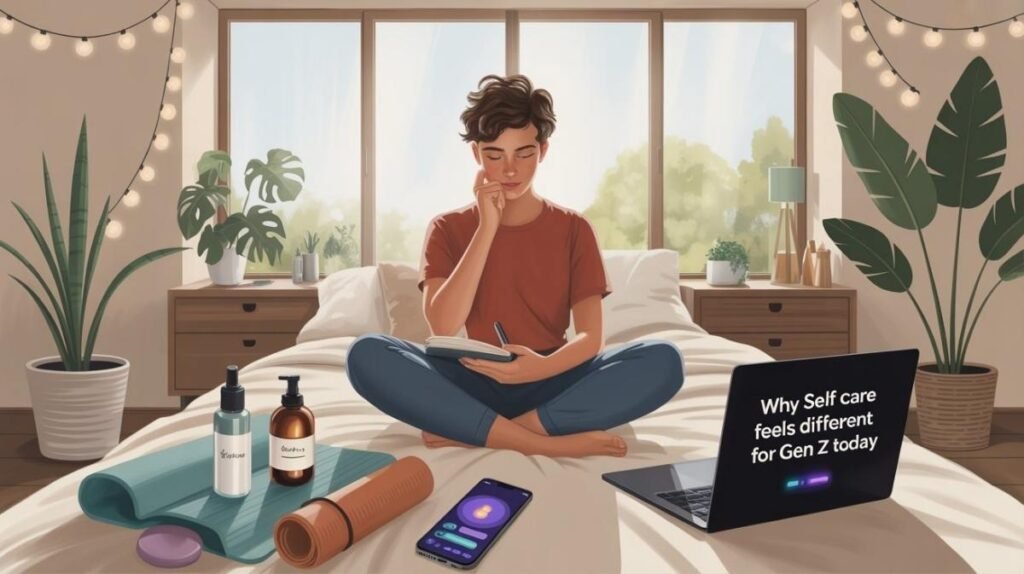
There is a clear reason why old self care advice does not work the same anymore. Long routines, strict schedules, and unrealistic expectations often create stress instead of solving it.
Gen Z prefers something more practical. Life already feels busy and unpredictable. Adding complex routines only makes it harder to stay consistent. That is why short, flexible habits are becoming more popular. They are easier to follow and do not feel forced.
Self care now focuses more on mental clarity than perfection. Instead of doing everything, the goal is to do what actually helps.
Also Read : Gen Z Beauty Trends 2026 Why Authenticity is the New Luxury
The Shift Toward Simpler and More Real Self Care
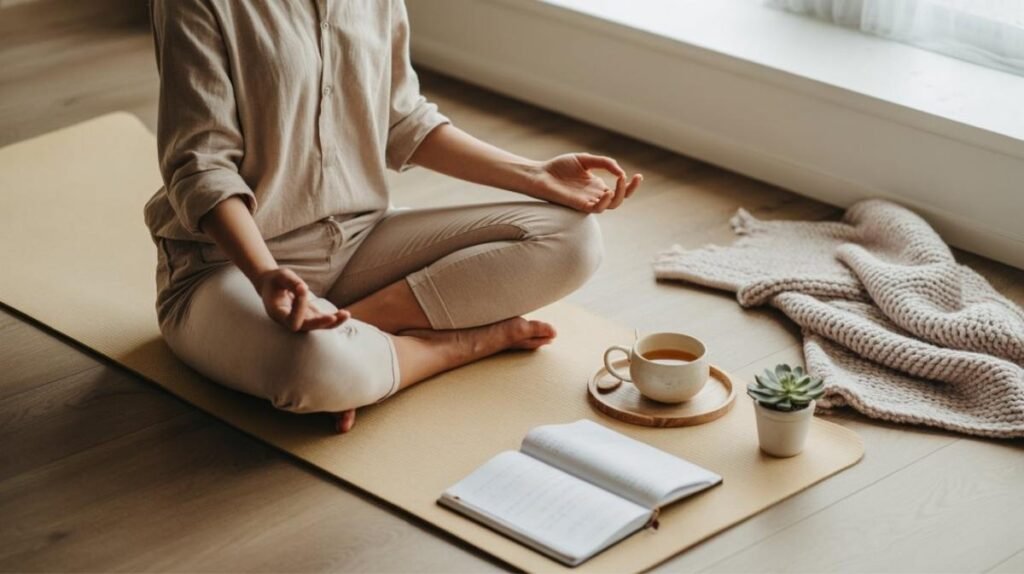
The idea of self care has quietly changed. It is no longer about waking up at 5 AM, following a perfect routine, and tracking every habit. That version looks good online but feels unrealistic in daily life.
Now the focus is on ease. Small actions that fit naturally into your day are more effective than long routines that never last. Even simple things like taking breaks, slowing down, or reducing screen time can make a noticeable difference.
This shift removes pressure. It allows self care to feel natural instead of something you have to force yourself to do.
Gen Z Self Care Trends That Are Actually Being Followed
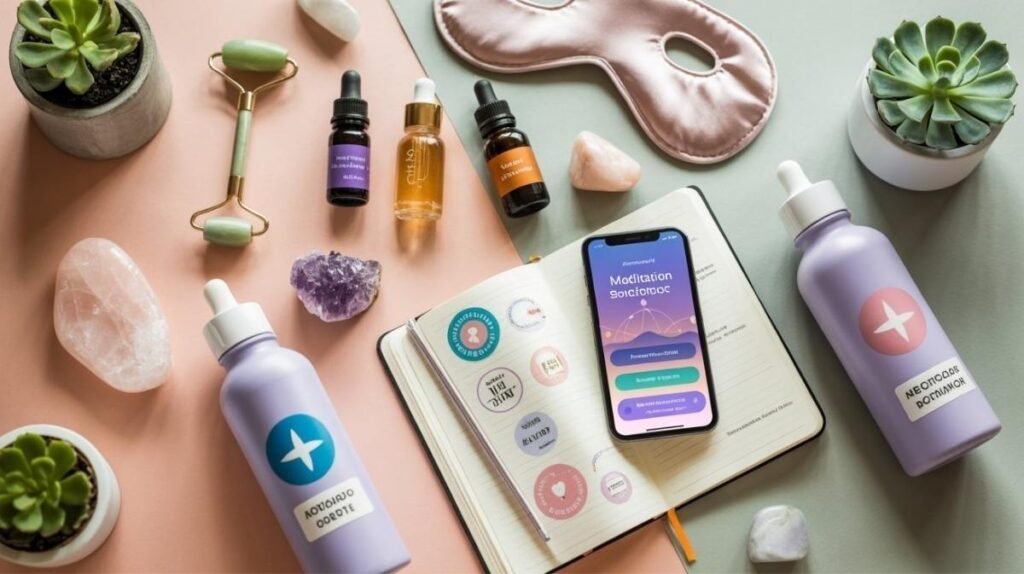
Digital Breaks and Less Screen Time Without Pressure
Constant scrolling keeps the mind busy but not relaxed. It creates a cycle where you feel tired but still keep consuming content. Short digital breaks help break that pattern.
Instead of completely disconnecting, small changes work better. Keeping the phone away for a short time or reducing unnecessary screen use helps reset focus. It feels simple, but the impact is strong.
Soft Living Routine and Simple Daily Habits
The soft life trend is about reducing unnecessary stress. It focuses on doing things in a calmer and more balanced way.
Instead of filling every hour with tasks, the idea is to slow down. Simple routines, light schedules, and realistic expectations make daily life easier to manage. This approach helps avoid burnout and keeps energy steady.
Solo Time, Quiet Mornings, and Personal Space
Spending time alone is becoming more valuable. It creates space to think clearly without distractions.
Quiet mornings or short breaks during the day help reset the mind. These moments do not need to be long. Even a few minutes of calm can improve focus and reduce mental noise.
Journaling, Mind Dumps, and Mental Clarity Habits
Overthinking builds up when thoughts stay in your head. Writing them down creates clarity.
Journaling does not need to be structured. Simple notes, random thoughts, or daily reflections are enough. This habit helps release mental pressure and makes things easier to process.
Movement for Mental Health Instead of Body Pressure
Exercise is no longer only about appearance. It is now seen as a way to improve mood and reduce stress.
Walking, stretching, or light workouts are enough to feel better. This approach removes pressure and makes movement more consistent. When the goal is mental health, it becomes easier to stay active.
Sleep Reset and Night Routine Awareness
Sleep affects energy, focus, and overall mood. Poor sleep patterns make everything harder.
Small changes can improve sleep quality. Reducing screen time at night, keeping a simple routine, and maintaining consistency help the body rest better. Better sleep leads to better days
Building a Self Care Routine That Does Not Feel Forced
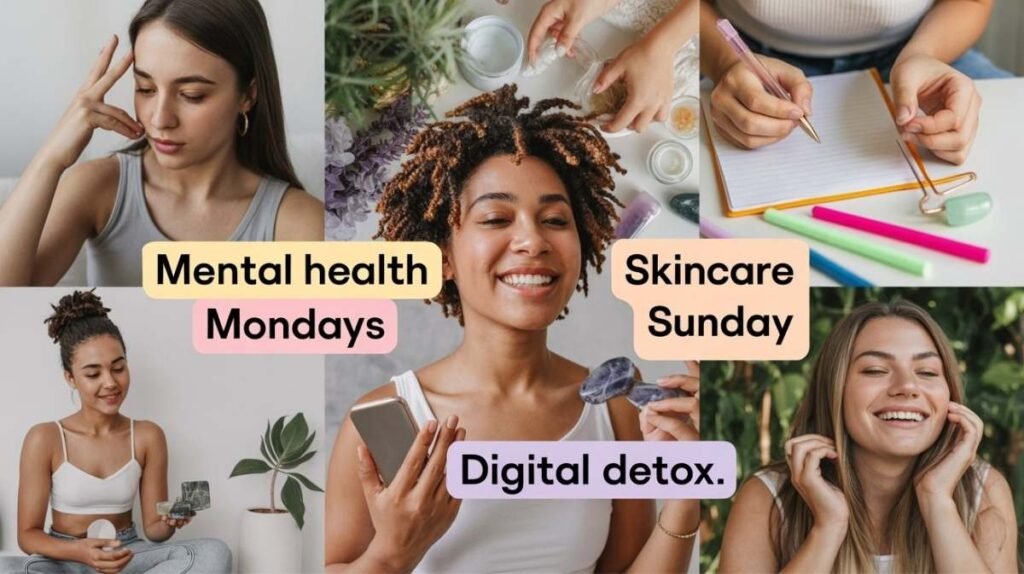
A routine only works if it aligns with your lifestyle. Taking on too many habits at once often leads to burnout and inconsistency.
Starting small is more effective. One or two habits that feel easy to follow create a strong base. Once those become natural, more can be added slowly.
Consistency matters more than intensity. Simple habits repeated daily create better results than big changes that do not last.
Where Most Self Care Advice Goes Wrong
Many routines fail because they try to do too much. This creates pressure and leads to burnout.
Another common mistake is copying someone else’s routine. What works for one person may not fit another lifestyle. Self care should be personal and flexible.
Keeping things simple and realistic makes it easier to stay consistent.
Why These Trends Are Growing So Fast
Modern life moves quickly. There is constant pressure to stay productive and connected. This creates mental fatigue.
Gen Z self-care trends take a fresh approach. They prioritize balance over perfection, keeping things simple while still delivering meaningful results.
That is why more people are adopting them. They are practical, easy to follow, and fit naturally into daily life.
Final Thoughts
Self care does not need to be complicated to work. The simpler it is, the easier it becomes to maintain.
Gen Z self care trends show a clear shift toward realistic and sustainable habits. When routines feel natural, they last longer and actually improve daily life.
FAQs
What makes Gen Z self care different
It focuses on simple, flexible habits instead of strict routines.
Which self care habits are easy to start
Digital breaks, short walks, and journaling are easy and effective.
Can self care improve mental focus
Yes, small habits like better sleep and reduced screen time improve focus.
How to stay consistent with self care
Start small and choose habits that fit your routine instead of forcing change. There is a clearnstead of forcing change.

Sebastian Vane is a digital native and trend strategist obsessed with the intersection of tech and culture. From decoding the latest viral memes to exploring the future of the creator economy, Sebastian provides high-signal insights for a generation that never sleeps. No fluff, just vibes and value