
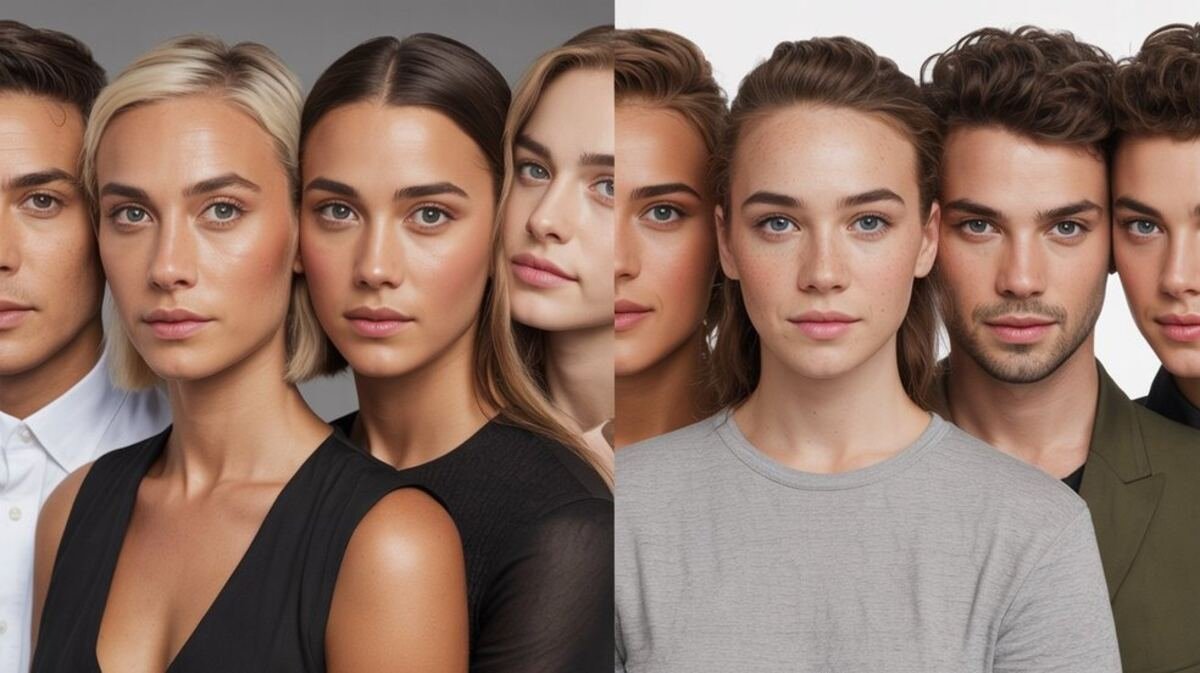
Many people have started asking the same question online: Why does Gen Z look older? The discussion appears regularly across social media platforms, forums, and video comment sections where users compare photos of Gen Z with previous generations at the same age. While some people believe younger adults today appear older than Millennials or Gen X did in their twenties, the answer is more complicated than simply looking older. Social media, makeup trends, fashion choices, photography, beauty standards, and lifestyle habits all play a role in shaping how age is perceived.
The reality is that appearance is influenced by far more than biological age. In many cases, people may not actually look older, but they present themselves differently than previous generations did.
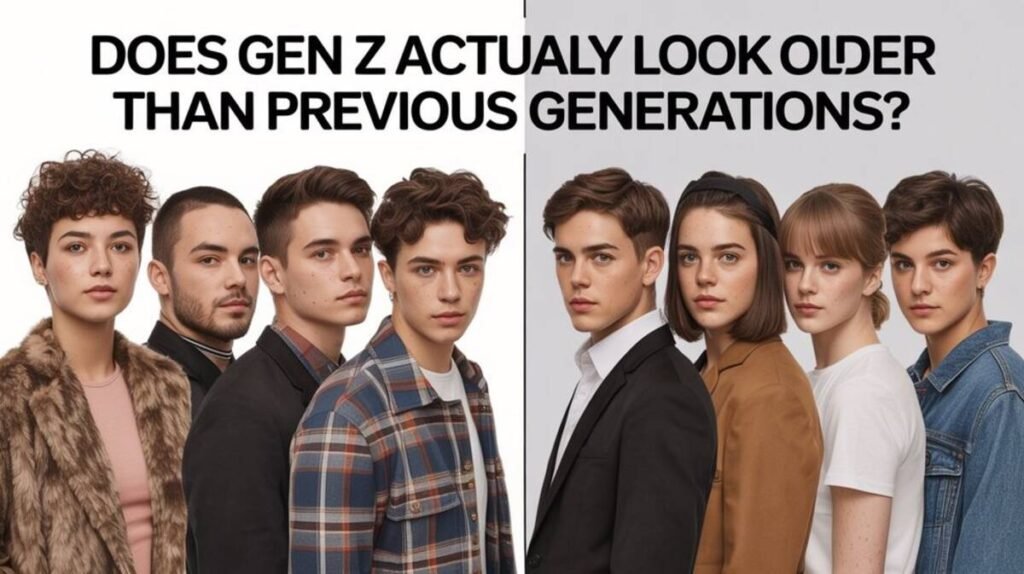
Does Gen Z Actually Look Older Than Previous Generations?
Not necessarily.
There is currently no clear evidence showing that Gen Z ages faster than previous generations. What many people notice is a difference in styling, grooming, and presentation rather than actual aging.
When people compare photos from different decades, they are often comparing very different beauty trends. A 22-year-old in 2026 may wear makeup, clothing, and hairstyles that create a more polished or mature appearance than someone of the same age twenty years ago.
Read this Artcle: Country Life of Gen Z
How Social Media Changed Age Perception
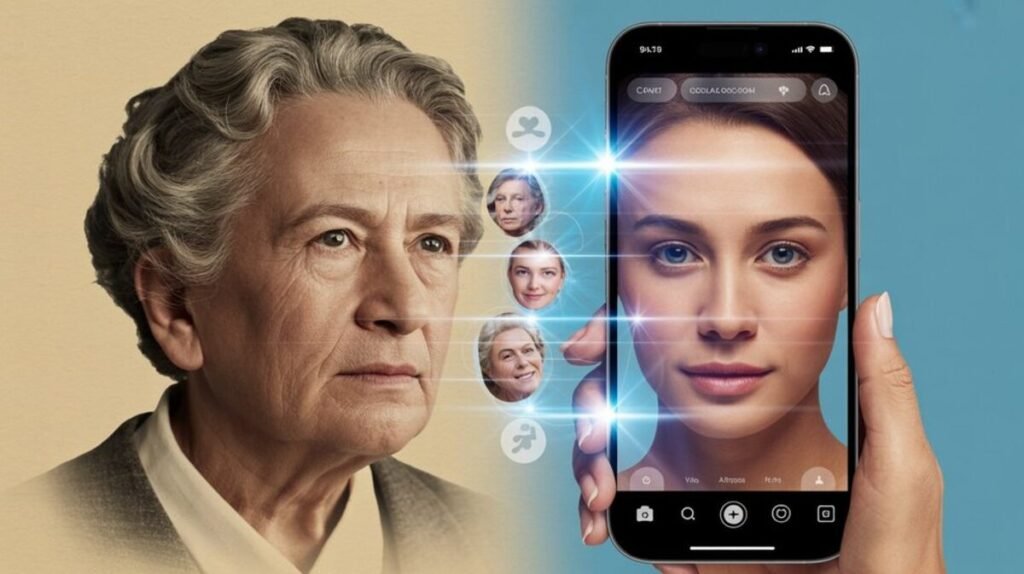
Social media has dramatically changed how people present themselves online.
Platforms such as TikTok, Instagram, and YouTube encourage users to share highly curated images and videos. Professional lighting, filters, editing tools, and carefully selected angles can create a more mature appearance than everyday life.
Many viral comparisons use influencer photos rather than normal, unedited images. As a result, people may be comparing online personas rather than actual appearances.
Are Makeup Trends Making Gen Z Look Older?
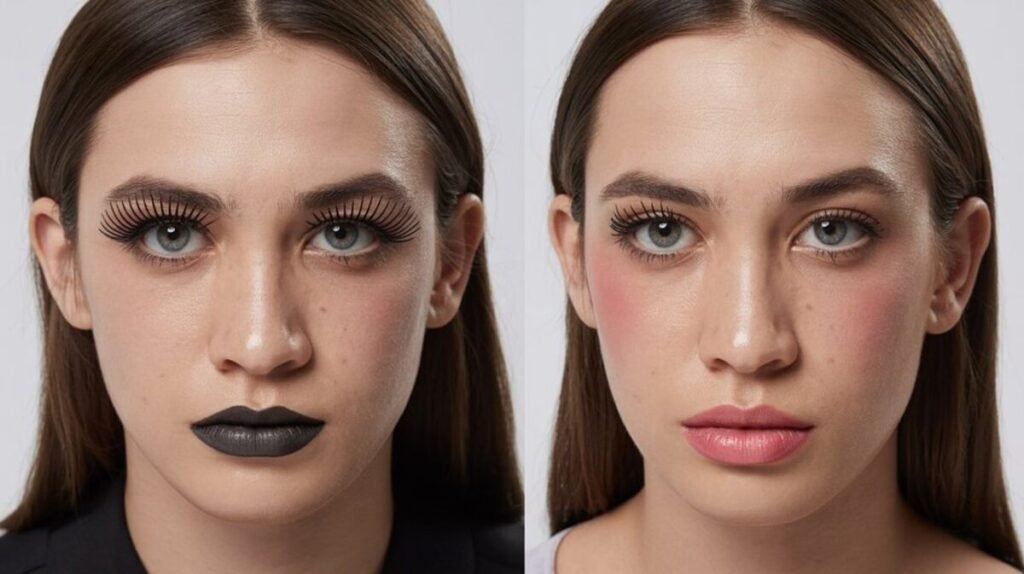
Modern makeup trends are often mentioned in discussions about age perception.
Heavy contouring, full-coverage foundation, dramatic brows, and advanced beauty techniques can create a more defined facial structure. These styles often resemble makeup looks that were once associated with older adults.
In contrast, previous generations frequently used lighter makeup styles during their teenage and early adult years. This difference can influence how people judge age when comparing generations.
How Fashion Trends Influence Appearance
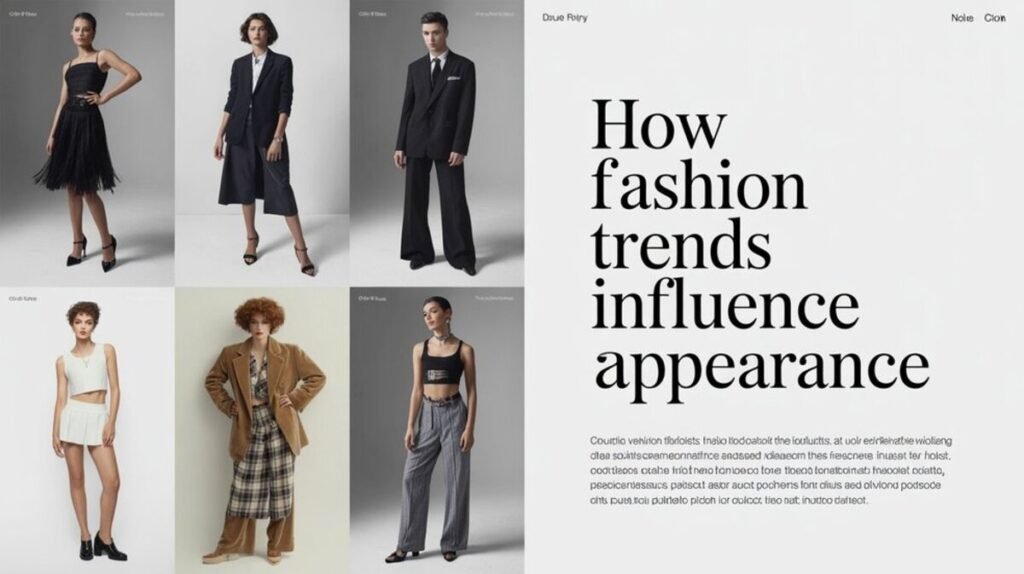
Fashion has always affected how old or young someone appears.
Many Gen Z fashion trends include tailored clothing, minimalist aesthetics, business-casual styles, and vintage-inspired outfits. Some of these styles naturally create a more mature impression than casual youth-focused fashion trends from previous decades.
Clothing choices do not change someone’s age, but they can change how others perceive it.
Do Filters and Photo Editing Affect How We Judge Age?
Yes, often more than people realize.
Filters can sharpen facial features, smooth skin, alter proportions, and create dramatic visual effects. Some editing styles may unintentionally make users appear older, while others can make them appear younger.
When viewers spend hours looking at edited content online, their expectations about what people should look like can change significantly.
Can Stress and Lifestyle Affect Appearance?
Lifestyle factors can influence overall appearance.
Sleep quality, stress levels, hydration, nutrition, and screen time all affect how healthy and rested someone looks. While these factors do not automatically make Gen Z appear older, they can contribute to visible differences in skin quality and energy levels.
Like every generation, individuals experience these factors differently.
Why Millennials and Gen Z Are Often Compared
Millennials and Gen Z are frequently compared because they grew up during different stages of the internet era.
Millennials spent much of their teenage years before social media became dominant. Gen Z, however, grew up with smartphones, influencers, filters, and constant online visibility.
This difference has created distinct beauty standards and presentation styles that influence how each generation is perceived.
My Observation While Looking Into This Discussion
While researching this topic, one thing stood out repeatedly. Most people making comparisons were using carefully selected online photos rather than everyday real-life interactions.
I noticed that many side-by-side comparisons featured influencer images, celebrity photos, or heavily edited social media content. However, when people shared candid photos from school, family events, or public settings, the differences often seemed much smaller than online debates suggested.
That observation made me realize that perception plays a huge role in this discussion. In many cases, people are not necessarily seeing older faces. They are seeing different beauty standards, styling choices, and presentation habits than previous generations used at the same age.
Why Beauty Standards Have Changed
Beauty standards evolve over time.
Today, younger adults have access to skincare advice, makeup tutorials, fashion influencers, and cosmetic information that previous generations never experienced at the same scale.
As a result, many Gen Z individuals adopt sophisticated beauty routines much earlier than people did in previous decades. This can sometimes create an appearance that viewers associate with greater maturity.
So, Does Gen Z Really Look Older?
The answer depends largely on perception.
Most experts would agree that social media, beauty trends, fashion choices, and online culture play major roles in shaping how age is perceived today. While some individuals may appear older because of styling decisions, there is little evidence suggesting that Gen Z as a whole is physically aging faster than previous generations.
In many cases, people are comparing different cultural trends rather than actual biological age.
Frequently Asked Questions
Why do people say Gen Z looks older?
Many people believe Gen Z looks older because of makeup trends, social media presentation, mature fashion styles, and changing beauty standards.
Does makeup make Gen Z appear older?
Certain makeup techniques can create a more mature appearance, particularly contouring, full-coverage foundation, and dramatic styling.
Do social media filters affect age perception?
Yes. Filters and editing tools can significantly change how people appear online, which may influence how viewers judge age.
Does Gen Z age faster than Millennials?
There is no strong evidence suggesting that Gen Z ages faster than Millennials. Most differences appear related to styling and presentation.
Why are Millennials and Gen Z compared so often?
Both generations grew up during different stages of digital culture, making their appearance trends and beauty standards easy to compare.

Sebastian Vane is a digital native and trend strategist obsessed with the intersection of tech and culture. From decoding the latest viral memes to exploring the future of the creator economy, Sebastian provides high-signal insights for a generation that never sleeps. No fluff, just vibes and value