
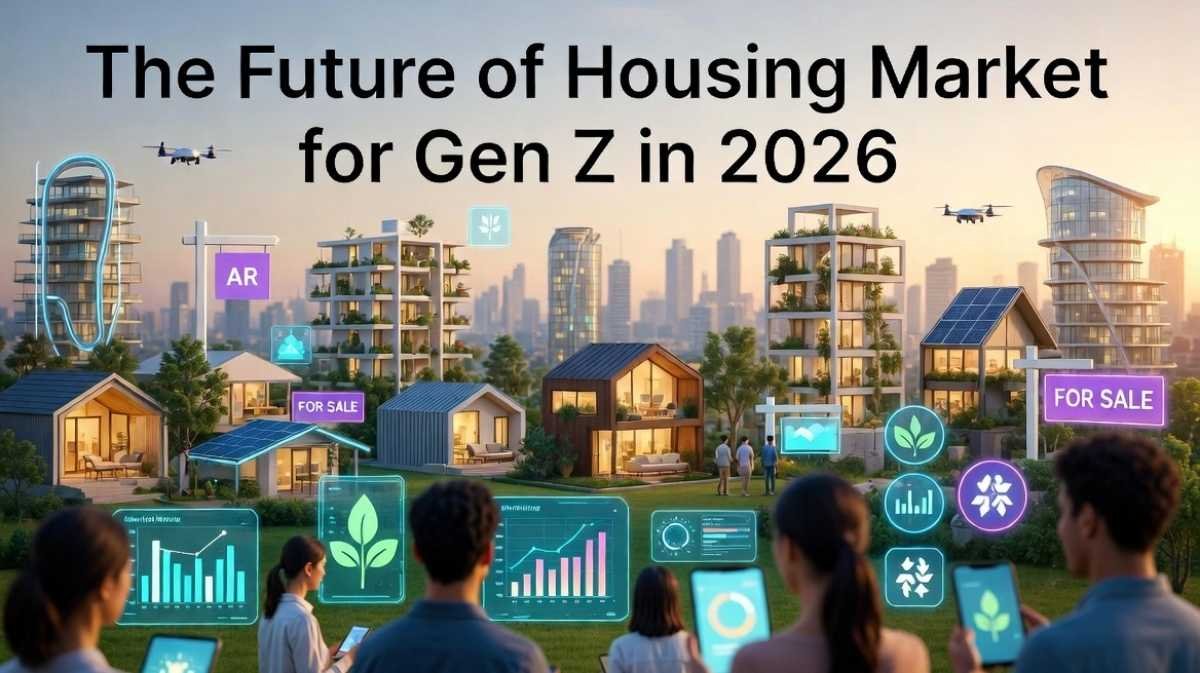
The housing market in 2026 is going through a clear transformation, and Gen Z is one of the most affected generations. Property prices continue to rise in many regions, while income growth remains slower in comparison. Because of this gap, homeownership is becoming more difficult for young people, especially those just starting their careers. Instead of rushing into buying homes, Gen Z is focusing more on financial stability, flexible living, and long-term planning.
This shift is slowly changing the structure of the housing market itself. Demand patterns, rental behavior, and even property development strategies are adapting to this new generation’s lifestyle and financial reality.
Current Housing Market Situation in 2026
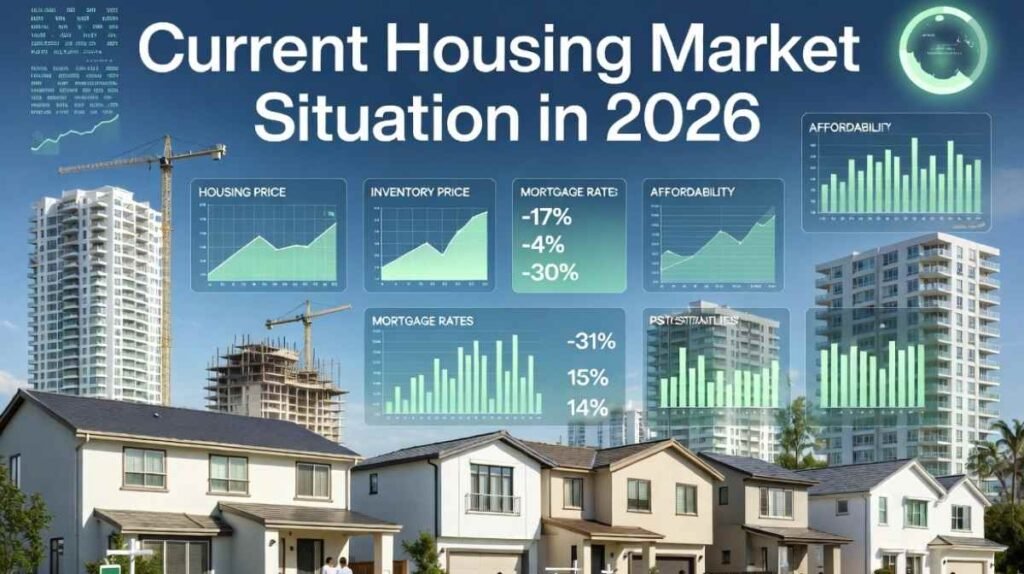
In 2026, the housing market is shaped by high demand and limited supply in most urban areas. Cities are expanding, populations are growing, and more people are moving toward urban centers for education and work opportunities. This has created strong pressure on housing availability.
At the same time, inflation and rising construction costs are pushing property prices even higher. For Gen Z, this means entering a market where even starter homes require long-term savings and strong financial discipline.
Also Read : Best Online Internships for Gen Z Career Growth in 2026
Why Gen Z Faces Housing Challenges
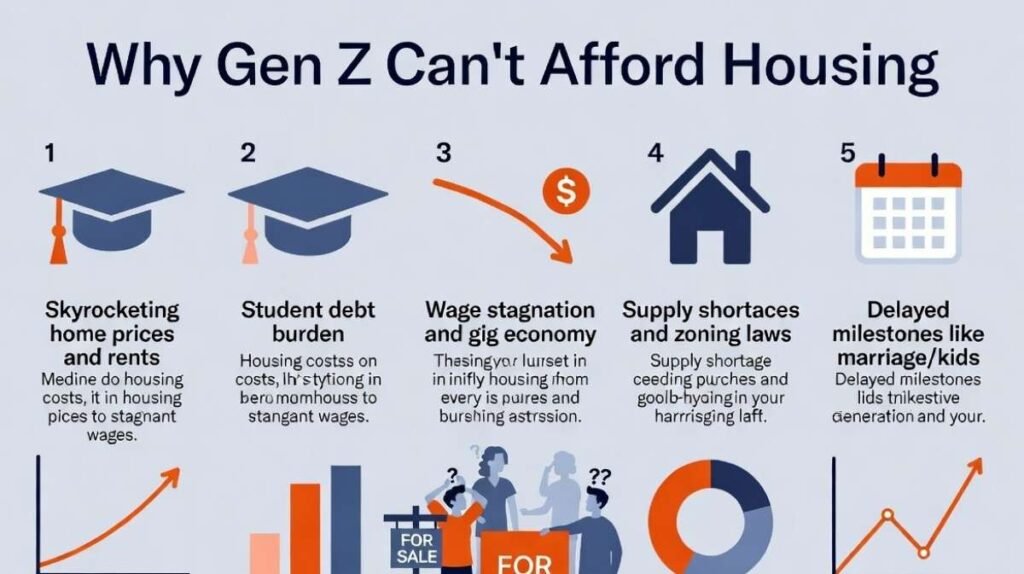
Gen Z is facing multiple financial pressures at the same time. The biggest issue is the gap between income and property prices. Salaries are increasing slowly, but housing costs are rising much faster. On top of that, student loans, rent expenses, and daily living costs reduce the ability to save.
Another challenge is strict mortgage approval requirements. Lenders usually expect strong credit history, stable income, and large down payments. Many young buyers do not meet these conditions early in their careers, which delays homeownership naturally.
Gen Z Housing Behavior Shift (2026 Trend)
Gen Z is not rejecting homeownership, but they are delaying it. Their lifestyle is more flexible compared to previous generations. Many prefer renting because it allows them to move freely for job opportunities or personal growth.
This generation also values experiences, travel, and career mobility more than early financial commitments. As a result, renting becomes a practical choice, while buying a home remains a long-term goal.
Housing Market Comparison Table (2026)
| Factor | Gen Z Trend (2026) | Previous Generations |
| Home Buying Age | Late 20s to 30s+ | Early to mid 20s |
| Preferred Living | Renting & co-living | Homeownership |
| Financial Priority | Savings & flexibility | Asset building early |
| Job Mobility | High | Low to moderate |
| Housing Type | Smaller, affordable units | Larger family homes |
| Decision Approach | Digital & research-based | Traditional buying process |
Role of Technology in Housing Market
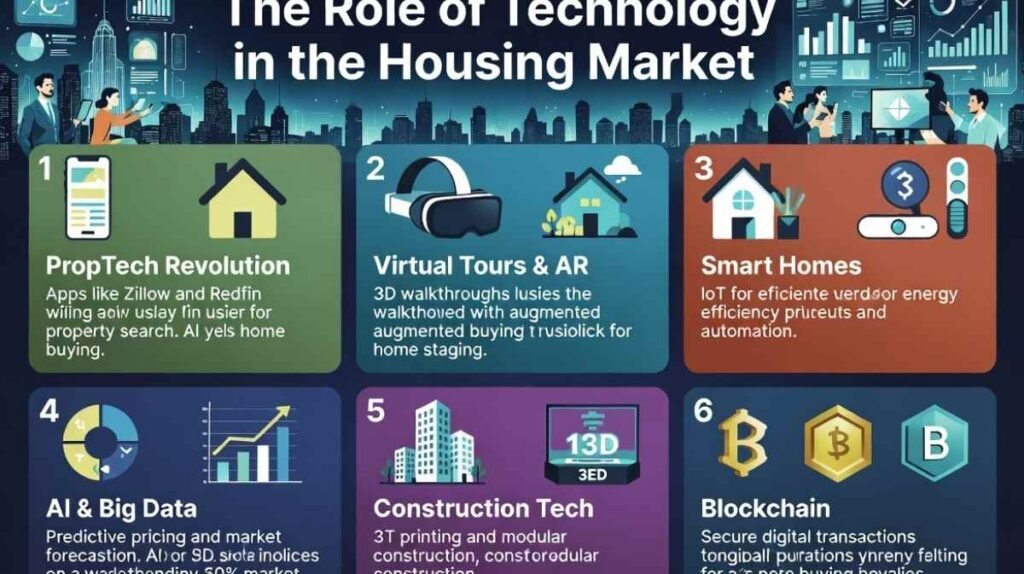
Technology is becoming a major part of real estate in 2026. Property searches, virtual tours, price comparisons, and even mortgage applications are now available online. This reduces time and increases transparency in the buying process.
Gen Z is benefiting the most from these changes because they are already comfortable using digital platforms. AI tools are also helping buyers understand property value trends, which improves decision-making and reduces risk.
Renting vs Buying Reality in 2026
Renting has become a long-term lifestyle choice for many Gen Z individuals. It offers flexibility, lower financial pressure, and freedom to relocate. Buying, on the other hand, is still seen as a stable long-term investment but requires stronger financial preparation.
This shift is not permanent rejection of ownership—it is a delay based on economic conditions. As incomes grow and financial stability improves, many Gen Z individuals are expected to transition into homeownership later in life.
Economic Pressure and Inflation Impact on Gen Z Housing
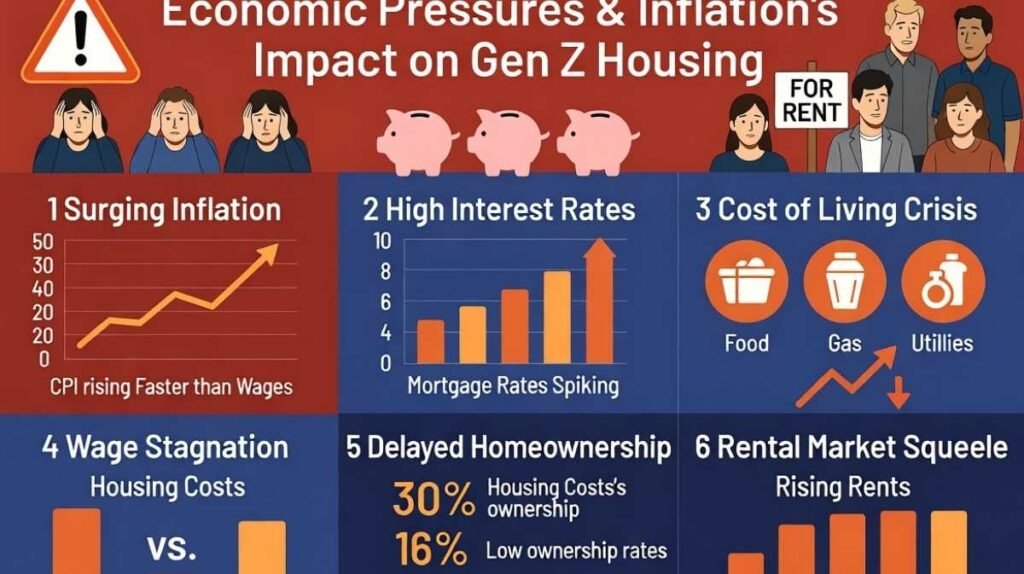
One of the strongest reasons behind the housing struggle in 2026 is continuous economic pressure. Inflation has increased the cost of almost everything, including food, transport, education, and construction materials. When living costs rise, saving money for a house becomes more difficult, especially for young people at the beginning of their careers.
At the same time, housing demand is still high in cities, which keeps prices elevated. Even when interest rates fluctuate, overall affordability does not improve much for Gen Z. This combination of rising expenses and slow income growth creates a long-term barrier to early homeownership.
Smart Housing Alternatives Emerging for Gen Z
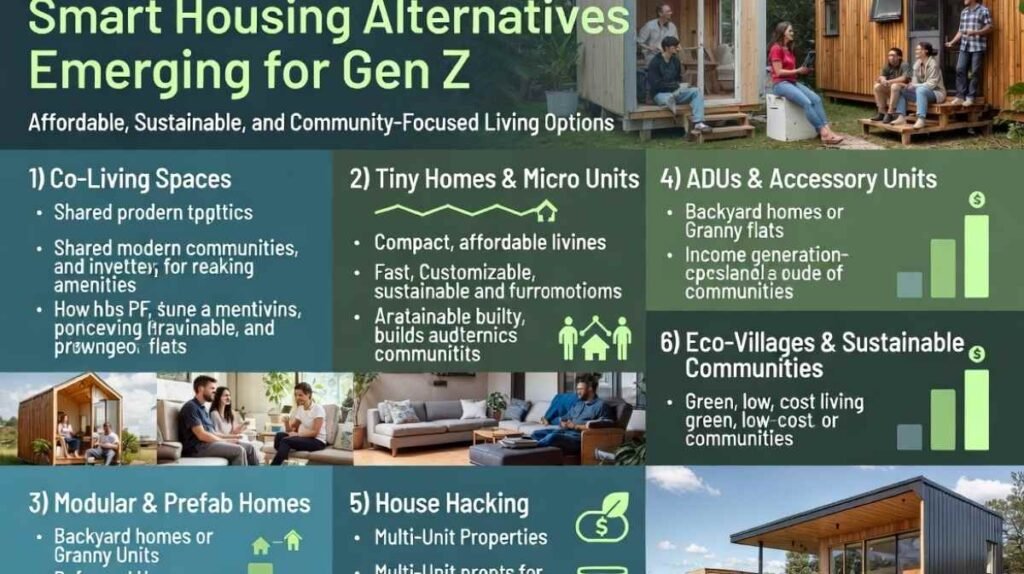
As traditional homeownership becomes harder, new housing alternatives are becoming more popular in 2026. Co-living spaces, shared apartments, and rental-based communities are growing in major cities. These options offer lower costs and more flexibility compared to buying a full property.
Another emerging trend is rent-to-own models, where individuals can gradually move from renting to ownership over time. This system helps Gen Z enter the property market in smaller financial steps instead of a large upfront investment.
Developers are also focusing on compact smart homes designed for efficiency rather than size. These homes use space-saving designs and technology integration to reduce costs while maintaining comfort.
Future Outlook of Housing Market for Gen Z
The housing market is slowly adapting to new demand patterns. Developers are focusing more on affordable housing, compact apartments, and shared living models. Urban planning is also changing to support smaller, more efficient housing structures.
Digital transformation will continue to shape the market. From AI-based pricing tools to online mortgage systems, the entire process is becoming faster and more transparent. This will make housing more accessible in the long run.
Conclusion
The housing market in 2026 presents both challenges and opportunities for Gen Z. While affordability remains a major issue, changing lifestyle preferences and technological advancements are reshaping the entire system. Gen Z is not being excluded from homeownership—they are simply entering it at a different time and in a different way.
With better financial planning and evolving market structures, homeownership will still be achievable, but through more flexible and modern paths than in the past.

Sebastian Vane is a digital native and trend strategist obsessed with the intersection of tech and culture. From decoding the latest viral memes to exploring the future of the creator economy, Sebastian provides high-signal insights for a generation that never sleeps. No fluff, just vibes and value