
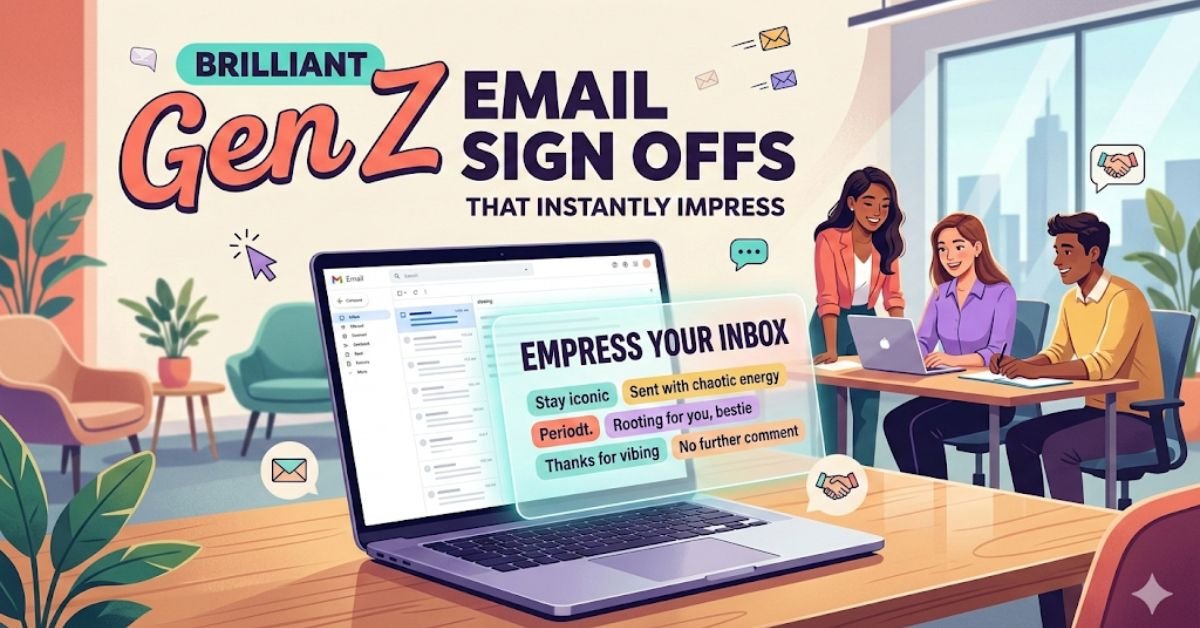
Email culture has changed fast, and Gen Z email sign offs now reflect humor, authenticity, and clear workplace boundaries. Young professionals no longer rely only on traditional closings like Best regards or Sincerely. Instead, they choose sign-offs that match the conversation tone, company culture, and relationship with the recipient.
Modern workplaces mix remote teams, Slack conversations, and fast email threads. Because of this shift, professional email etiquette for Gen Z focuses on clarity, personality, and respectful communication. Some professionals prefer polished endings, while others use funny email endings to create a relaxed workplace vibe.
This guide explains how to end an email in 2026, explores the psychology behind modern email closings, and shows how Gen Z balances humor with professionalism.
Why Gen Z Changed Email Communication
Gen Z entered the workforce during a period of remote work, social media culture, and rapid digital communication. These experiences shaped their writing style and workplace expectations.
Several factors influence Gen Z workplace communication:
- Remote and hybrid work environments
- Slack, Teams, and instant messaging culture
- Social media humor and meme language
- Increased focus on mental health and boundaries
- Shorter attention spans in digital communication
Because of these influences, Gen Z professionals prefer sign-offs that feel natural, human, and intentional rather than robotic.
Traditional vs Modern Email Sign Offs
The workplace still values professionalism, but modern communication styles have expanded the options.
| Traditional Sign-Off | Modern Gen Z Alternative | Tone |
| Best regards | Best | Professional |
| Sincerely | Thanks! | Friendly |
| Kind regards | Appreciate it | Warm |
| Respectfully | Cheers | Casual professional |
| Yours truly | Talk soon | Conversational |
Many professionals now choose informal vs. formal sign-offs depending on the situation rather than following rigid corporate rules.
The Gen Z Email Sign Off Spectrum
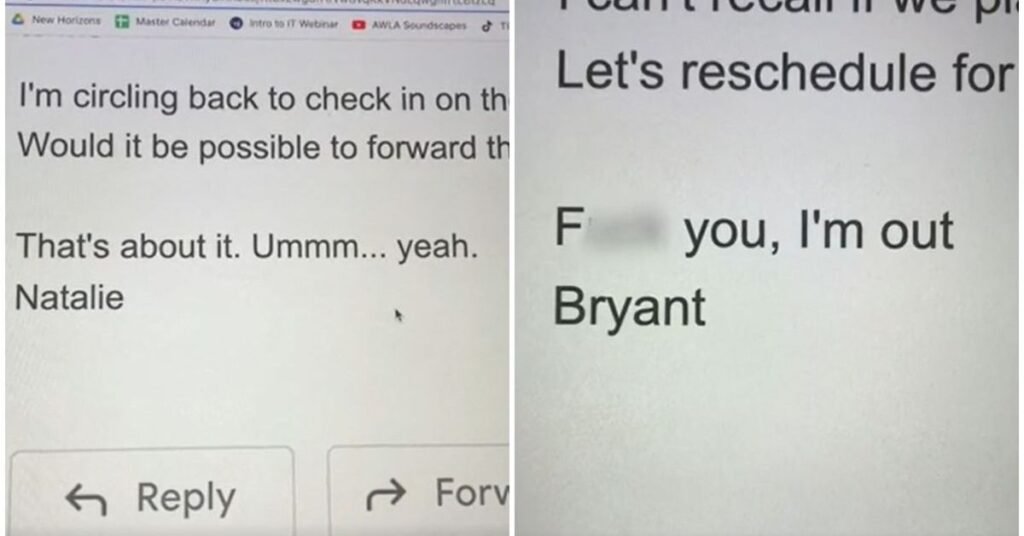
Gen Z professionals often choose sign-offs based on tone and relationship. The Formality Irony Spectrum helps determine which style fits the situation.
1. Fully Professional Sign Offs
Use these sign-offs when emailing senior managers, clients, or external partners.
Examples:
- Best regards
- Kind regards
- Respectfully
- Thank you
- Sincerely
These options maintain professional email etiquette for Gen Z while still sounding modern.
2. Friendly Professional Sign Offs
These sign-offs work well with coworkers and team members.
Examples:
- Best
- Thanks so much
- Appreciate it
- Many thanks
- Talk soon
Many remote teams prefer these closings because they feel polite but not overly formal.
3. Casual Workplace Sign Offs
Casual endings often appear in internal emails within relaxed company cultures.
Examples:
- Cheers
- Catch you later
- Have a great day
- Thanks again
These sign-offs work best when the team already communicates casually.
4. Funny Email Endings (Gen Z Humor)
Some companies encourage personality in emails. In those workplaces, funny email endings create memorable communication.
Examples:
- Stay awesome
- May your coffee stay strong
- Sending good vibes
- Logging off respectfully
Gen Z humor often appears playful but still respectful.
The Rise of Corporate Slang in Emails
Corporate slang entered workplace communication through memes, TikTok trends, and online culture. Many young professionals now mix humor with traditional business language.
Examples of corporate slang in emails include:
- “Looping back soon.”
- “Circling back on this.”
- “Let’s sync later.”
- “Adding visibility.”
Gen Z often simplifies these phrases or adds humor to make messages feel more authentic.
Workplace Boundaries Through Email Sign Offs
Gen Z employees actively communicate boundaries, especially in remote work environments. Email closings can reinforce those boundaries.
Examples include:
- “Signing off for the day.”
- “Following up tomorrow.”
- “Talk next week.”
These phrases politely communicate availability without sounding rude.
The “Vibe Check” Survey: What Different Generations Think
Researchers conducted a Vibe Check survey with 1,000 Gen Z employees and 500 Gen X/Boomer managers. The results revealed surprising differences.
| Email Ending | Gen Z Perception | Manager Perception |
| Best | Neutral | Professional |
| Cheers | Friendly | Slightly casual |
| Thanks! | Positive | Polite |
| No sign-off | Normal | Abrupt |
| Funny endings | Relatable | Unprofessional |
These results show how generational perspectives influence email etiquette expectations.
Case Study: The “No-Sign-Off” Email Trend
Some startups eliminated formal email closings entirely. Teams started writing emails that resembled chat messages instead.
What Happened
Three technology startups tested this approach for six months.
Results included:
- Faster response times
- Shorter email threads
- Reduced communication anxiety
- Higher internal collaboration
However, teams still used formal sign offs when communicating with clients or investors.
Email Sign Off Examples for Different Situations
Choosing the right closing often depends on context.
| Situation | Recommended Sign-Off |
| Client email | Best regards |
| Manager update | Thanks |
| Internal team email | Cheers |
| Friendly colleague | Appreciate it |
| Casual workplace | Talk soon |
Understanding how to end an email in 2026 requires balancing tone, professionalism, and workplace culture.
Interactive Idea: The Gen Z Email Sign Off Generator
Companies can build a simple sign off generator tool to help employees choose the right email closing.
Users would select:
- Email tone (professional, casual, humorous)
- Recipient type (boss, coworker, client)
- Email urgency
The tool then suggests the most appropriate sign off automatically.
The Email Formality Heatmap
Email tone often changes depending on timing and hierarchy.
| Scenario | Recommended Tone |
| Morning email to manager | Formal |
| Afternoon team update | Friendly |
| Late-night message | Direct |
| Client communication | Professional |
This Email Formality Heatmap helps professionals avoid awkward communication mistakes.
FAQs
What email sign-offs does Gen Z use most?
Gen Z professionals frequently use Best, Thanks, and Appreciate it because these options sound friendly and professional.
Are funny email endings appropriate at work?
Funny endings work best in relaxed company cultures or internal emails. Professionals should avoid humor in formal client communication.
Why does Gen Z avoid formal sign offs?
Gen Z often prefers shorter communication styles influenced by messaging apps and remote work culture.
Is “Best” still professional?
Yes. Many professionals consider Best one of the safest modern alternatives to “Best regards.”
Should you always include an email sign off?
Most emails benefit from a closing line, but quick internal replies may skip the sign off entirely.
Conclusion
Email communication continues to evolve as younger professionals reshape workplace culture. Gen Z email sign offs combine professionalism, personality, and clear boundaries. Instead of relying only on traditional phrases, Gen Z professionals select sign-offs that match the tone of the conversation.
Understanding professional email etiquette for Gen Z helps teams communicate more effectively across generations. When employees balance authenticity with professionalism, they create emails that feel natural while still maintaining workplace respect.
As workplace communication moves toward faster, more human interactions, the right sign-off can turn a simple email into a clear, confident message.